Infolinks In Text Ads

Sponsor

Showing posts with label Health. Show all posts

Saturday, November 30, 2024

Why can we explore deep ocean?

We can explore the deep ocean thanks to advancements in technology and engineering. Submersibles and remotely operated vehicles (ROVs) allow humans to navigate extreme depths, enduring immense pressure and darkness. Specialized equipment, such as sonar and high-resolution cameras, help map the ocean floor and study marine life.

Improved materials, like titanium and pressure-resistant glass, are critical for constructing deep-sea vessels. Innovations in robotics and artificial intelligence enhance data collection and analysis, while satellite communication enables real-time monitoring.

This exploration helps scientists discover new species, understand ecosystems, and uncover valuable resources, contributing to advancements in medicine, technology, and environmental conservation.


Thursday, February 22, 2024

HowTo : Stop Gunshot Bleeding

HowTo : Stop Gunshot Bleeding


The best way to stop gunshot bleeding is to follow these steps:


1. Ensure Safety: 

Before providing aid, ensure that the area is safe from further harm. If the situation is still dangerous, prioritize moving to a secure location.


2. Apply Pressure: 

Use a clean cloth, bandage, or sterile gauze to apply direct pressure to the wound. Press down firmly with both hands directly over the wound site to control bleeding.


3. Elevate the Wound: 

If possible, elevate the injured area above the level of the heart to help reduce blood flow to the wound. However, avoid moving the injured person excessively if there is a risk of exacerbating their injuries.


4. Use a Tourniquet: 

If direct pressure alone does not stop the bleeding, consider applying a tourniquet. Place the tourniquet 2-3 inches above the wound site, between the wound and the heart. Tighten the tourniquet until the bleeding stops. Make sure to note the time the tourniquet was applied.


5. Seek Medical Help: 

Even if bleeding appears to be under control, it is essential to seek medical assistance as soon as possible. Call emergency services or transport the injured person to the nearest hospital for further evaluation and treatment.


6. Monitor for Shock:

Keep a close eye on the injured person for signs of shock, such as pale or clammy skin, rapid heartbeat, shallow breathing, or altered mental status. If symptoms of shock are present, lay the person down, elevate their legs, and cover them with a blanket to keep them warm.


Remember, providing aid to someone with a gunshot wound can be stressful, but remaining calm and acting quickly can make a significant difference in their outcome.

Friday, April 7, 2023

Why Food Taste Differently?

Food tastes wildly different to different people due to a combination of factors.

One factor is genetics, as everyone has a different number and distribution of taste buds, which can affect how they perceive certain flavors.

Another factor is individual experience and cultural upbringing, as people develop taste preferences based on the foods they are exposed to and their cultural background.

Environmental factors such as smell, texture, and appearance can also influence how people perceive taste.

Additionally, personal factors such as age, health, and medications can affect taste perception.

All these factors can contribute to why the same food can be perceived as delicious by one person and repulsive by another.

Wednesday, March 15, 2023

Mushroom That Can Induce Spontaneous Orgasms In Women

Mushrooms are a versatile and nutritious food that have been enjoyed for centuries in many different cultures. But did you know that some species of mushrooms are believed to have aphrodisiacal properties? In this blog post, we'll explore the world of mushroom aphrodisiacs and the science behind their potential effects.

First, it's important to note that the idea of mushrooms as an aphrodisiac is largely based on traditional folklore and anecdotal evidence, rather than scientific research. However, there are several compounds found in some species of mushrooms that could potentially have aphrodisiacal effects.

One such compound is ergothioneine, which is found in high concentrations in certain types of mushrooms, including shiitake and oyster mushrooms. Ergothioneine is a powerful antioxidant that is believed to help boost immune function and protect against cellular damage. Additionally, some studies have suggested that it may have a positive effect on sexual function.

Another compound found in mushrooms that could potentially have aphrodisiacal effects is phenylethylamine (PEA), which is a naturally occurring compound that is found in several types of mushrooms, including porcini mushrooms. PEA is known to increase dopamine levels in the brain, which can help to promote feelings of pleasure and arousal.

It's also worth noting that some species of mushrooms are believed to have an indirect aphrodisiacal effect by helping to improve overall health and well-being. For example, reishi mushrooms are known for their immune-boosting properties and have been used in traditional Chinese medicine for centuries to promote longevity and vitality. By promoting overall health and well-being, these types of mushrooms may indirectly enhance sexual function and desire.

While the science behind mushroom aphrodisiacs is still largely unproven, there is no denying that mushrooms are a delicious and nutritious food that can be enjoyed in a variety of ways. Whether you're a mushroom lover or just curious about the potential benefits of these fascinating fungi, there's no harm in incorporating more mushrooms into your diet and seeing how they make you feel. Just be sure to do your research and consult with a healthcare professional if you have any concerns about potential interactions or side effects.


Monday, March 13, 2023

Safer Statin Alternatives: Protecting Heart Health Without the Risks

Statin drugs are commonly prescribed to help manage high cholesterol and reduce the risk of heart disease. While they can be effective in reducing cholesterol levels, statins also come with a range of potential side effects, including muscle pain, liver damage, and an increased risk of developing diabetes. 


For those looking for a safer alternative to statins, there are several options available that can help protect heart health without the risks.

Omega-3 Fatty Acids
Omega-3 fatty acids are essential nutrients that are found in fish, nuts, and seeds. Studies have shown that these fatty acids can help reduce triglyceride levels, lower blood pressure, and improve overall heart health. Omega-3 supplements are available in both fish oil and plant-based forms, and can be an effective alternative to statins for those looking to manage high cholesterol.

Fiber
Dietary fiber is an important nutrient that can help reduce cholesterol levels and improve heart health. Soluble fiber, in particular, has been shown to be effective in lowering LDL (or "bad") cholesterol levels. Foods high in soluble fiber include oats, barley, legumes, and fruits like apples and berries. Adding more fiber to your diet can be a simple and effective way to support heart health without the need for statins.

Red Yeast Rice
Red yeast rice is a traditional Chinese medicine that has been shown to have cholesterol-lowering properties. It contains a natural compound called monacolin K, which is similar to the active ingredient in statins. While red yeast rice can be an effective alternative to statins, it is important to note that it can also have similar side effects, and should be taken under the supervision of a healthcare provider.

Plant Sterols and Stanols
Plant sterols and stanols are compounds found in fruits, vegetables, and whole grains that have been shown to help lower cholesterol levels. They work by blocking the absorption of cholesterol in the intestines. Plant sterols and stanols are available in supplement form, as well as in fortified foods like margarine and orange juice.

In conclusion, there are several safe and effective alternatives to statin drugs for managing high cholesterol and supporting heart health. Omega-3 fatty acids, fiber, red yeast rice, and plant sterols and stanols can all help lower cholesterol levels without the risks associated with statins. It is important to talk to a healthcare provider before making any changes to your medication regimen, and to follow a healthy diet and exercise routine to support overall heart health.

Medical Pollution in Puerto Rico: A Growing Concern

Puerto Rico is known for its beautiful beaches, lush rainforests, and vibrant culture. However, the island is also home to a growing problem: medical pollution. Medical pollution refers to the release of hazardous medical waste into the environment, and it is a growing concern in Puerto Rico.

There are several factors that contribute to medical pollution in Puerto Rico. One of the main contributors is the island's large healthcare industry, which generates significant amounts of medical waste. In addition, many hospitals and clinics in Puerto Rico lack the infrastructure and resources to properly dispose of this waste, which can lead to it being released into the environment.

Another factor that contributes to medical pollution in Puerto Rico is the island's vulnerability to natural disasters. Hurricanes and other severe weather events can damage medical facilities and disrupt waste disposal systems, leading to the release of hazardous materials into the environment.

The consequences of medical pollution in Puerto Rico can be severe. Exposure to hazardous medical waste can lead to a range of health problems, including respiratory issues, skin irritation, and cancer. In addition, medical pollution can have a negative impact on the environment, including contaminating water sources and harming wildlife.

Efforts are being made to address the issue of medical pollution in Puerto Rico. The government has established regulations and guidelines for the handling and disposal of medical waste, and there are ongoing efforts to improve waste management infrastructure and resources. However, more needs to be done to ensure that medical waste is disposed of safely and responsibly, and to mitigate the negative impacts of medical pollution on public health and the environment.

In conclusion, medical pollution is a growing concern in Puerto Rico, and it is essential that steps are taken to address this issue. The island's healthcare industry and vulnerability to natural disasters make it particularly susceptible to medical pollution, and the consequences of exposure to hazardous medical waste can be severe. As efforts continue to improve waste management infrastructure and resources, it is important that we remain vigilant and take action to protect public health and the environment from the harmful effects of medical pollution.


Friday, March 10, 2023

Traditional And Alternative Treatment For Hypertension

Hypertension, also known as high blood pressure, is a common condition that can lead to serious health problems if left untreated. Here are some of the traditional and alternative treatment options for hypertension:

  • Medication - There are several classes of drugs used to treat hypertension, such as diuretics, ACE inhibitors, calcium channel blockers, and beta-blockers. These medications can help lower blood pressure by relaxing blood vessels or reducing the amount of fluid in the body.
  • Lifestyle changes - Making lifestyle changes such as maintaining a healthy weight, reducing salt intake, exercising regularly, quitting smoking, and limiting alcohol consumption can help reduce blood pressure and prevent hypertension.
  • Ayurvedic remedies - Ayurveda is an ancient Indian system of medicine that uses natural remedies to treat various health conditions. Some of the herbs and remedies used in Ayurveda to treat hypertension include garlic, turmeric, ashwagandha, and holy basil.
  • Acupuncture - Acupuncture is a traditional Chinese medicine technique that involves inserting thin needles into specific points on the body. It may help reduce blood pressure and promote relaxation.
  • Mind-body practices - Mind-body practices such as yoga, meditation, and deep breathing exercises can help reduce stress and lower blood pressure.

It's important to note that hypertension can be a serious condition and should be treated under the guidance of a healthcare professional. You should always talk to your doctor before trying any alternative remedies or making any significant lifestyle changes to manage hypertension.


Friday, January 22, 2021

3000 Case Daily For 8 Straight Day

PUTRAJAYA: The number of new daily Covid-19 cases in Malaysia remained above the 3,000-mark for the eighth day in a row, with Kuala Lumpur topping the list of states for most number of infections.

Health director-general Tan Sri Dr Noor Hisham Abdullah said with the 3,170 new cases, Covid-19 cases in the country now stood at 172,549 cumulatively.

“Kuala Lumpur reported the highest increase with 576 infections.

“Out of this total, 310 or 56.9% were from identified clusters as well as cases detected from active screening of close contacts, ” he said.

Selangor, which has been the state with the most cases recently, reported 545 new infections yesterday, or 17.2% of the country’s total.

In the same 24-hour span, 12 people died due to Covid-19. They were all Malaysians aged between 47 and 84.

Two of them – an 82-year-old man and an 81-year-old woman – were declared “dead on arrival” at Hospital Lahad Datu in Sabah.

Malaysia’s Covid-19 death toll is now at 642.

Dr Noor Hisham said a total of 3,170 patients were discharged, bringing the number of recoveries in the country to 130,152.

“Nationwide, there are 41,755 active cases that are being treated at hospitals and quarantine centres.

“Of that total, 260 patients are in intensive care, with 103 on ventilator support, ” he said in his daily briefing here yesterday.

Dr Noor Hisham added that the Health Ministry had identified 16 new Covid-19 clusters nationwide, of which 11 are linked to workplaces.

At present, the country has 327 active clusters.

On another matter, Dr Noor Hisham has suggested that a maximum of 20 people be allowed at funerals to prevent clusters such as the Pasai cluster in Sarawak and last year’s Tawar cluster in Kedah from recurring.

“We realise that gatherings such as funerals or weddings have the potential to spread Covid-19 if someone who is positive is in attendance. This is what we have seen with the two big clusters of Pasai and Tawar.

“We understand that funerals are a sensitive issue, due to cultural and emotional reasons.

“What is more important is we should limit funeral gatherings to 20 people. Such gatherings also need approval from the police, ” he said.

Dr Noor Hisham added that it was very important for attendees of such gatherings to comply with Covid-19 guidelines at all times.

The Pasai cluster is currently Sarawak’s biggest cluster with 981 confirmed infections and one death.

The cluster originated from a 32-year-old woman who travelled from Johor on Dec 29 to attend her father’s funeral in Sibu.


Sunday, December 20, 2020

Latest (501.V2) Coronavirus Mutation Was Discovered

Like any other pathogen, the novel coronavirus is constantly evolving in response to the hosts it infects. It’s a mutation that allowed the virus to jump species between animals and ultimately reach humans. At least, that’s what researchers think happened with the original strain that infected the first people.


SARS-CoV-2 continued to mutate after that, with scientists tracking those genetic changes closely. This is crucial because mutations can make a virus more infectious or dangerous and can hinder drug and vaccine research. Several notable novel coronavirus strains have been found so far. The D614G mutation is believed to be responsible for the current status of the pandemic.

A few days ago, UK health officials announced that another new coronavirus mutation was spreading rapidly in the south of the country. The strain featured 17 distinct genetic changes, most of them impacting the spike protein. One of them is called N501Y, affecting the receptor-binding motif of the spike protein, according to the UK COVID-19 Genomics Consortium. The mutation did not appear to cause more severe illness, according to public health officials.

Now, a few days later, South African authorities have reported another SARS-CoV-2 mutation that’s apparently driving the second wave in the country. South Africa is nearing 1 million infections, with more than 24,000 people having died of COVID-19 complications. The second wave started in mid-November, with the country registering more than 10,000 cases in a single day a few days ago. This appears to be the second wave’s local peak, but the case count might continue to climb.

The new strain seems to be more dangerous, causing more severe illness in younger patients who do not suffer from other medical conditions.

Saturday, December 19, 2020

Baby Born With Covid-19 Mother Have Immunity

First of all, Coronavirus (Covid-19) is a deadly virus that attack raspatory system on human. This virus also can be carried by animal. But some research has been done on how new born baby with mother has been contacted by Covid-19 got an immunities on such virus.


Neutralizing antibodies are the proteins the immune system creates to stop a virus from spreading. The antibodies bind to the spike protein, preventing it from infecting cells. Coronavirus vaccines will actually teach the immune system to respond to the infection by inducing antibodies specific to COVID-19. Antibodies might disappear after a while, but the COVID-19 protection might last longer than that thanks to another set of immune system components: B and T cells patrolling the blood that will retain the memory of the virus.

Researchers have no idea how long coronavirus immunity will last, whether the protection follows infection or exposure to the virus. There’s hope immunity might last at least a year, but more time will have to pass for researchers to make such determinations. However, a subset of the population could have COVID-19 immunity from the moment they’re born: Babies whose mothers survived the coronavirus during pregnancy.

Of the 16 pregnant women in the studies, five gave birth by the time it was published, and all the newborns had detectable levels of antibodies in their blood. Two women lost their babies, and one of the miscarriages might have been caused by COVID-19 complications.

Thursday, July 4, 2013

Pepsi Still Contains Too Much Carcinogen Found In Caramel Coloring


NEW YORK — An environmental group said Wednesday that the caramel coloring used in Pepsi still contains a worrisome level of a carcinogen, even after the drink maker said it would change its formula.

In March, PepsiCo Inc. and Coca-Cola Co. both said they would adjust their formulas nationally after California passed a law mandating drinks containing a certain level of carcinogens come with a cancer warning label. The changes were made for drinks sold in California when the law passed.

The chemical is 4-methylimidazole, or 4-Mel, which can form during the cooking process and, as a result, may be found in trace amounts in many foods.

Watchdog group The Center for Environmental Health found via testing that while Coke products no longer test positive for the chemical, Pepsi products sold outside of California still do.

Pepsi said its caramel coloring suppliers are changing their manufacturing process to cut the amount of 4-Mel in its caramel. That process is complete in California and will be finished in February 2014 in the rest of the country. Pepsi said it will also be taken out globally, but did not indicate a timeline.

Meanwhile, the company said the FDA and other regulatory agencies around the world consider Pepsi's caramel coloring safe.

Coca-Cola said it has transitioned to using a modified caramel in U.S. markets beyond California that does not contain Mel-4, so it wouldn't have to have separate inventory of products for different locations. It also said all of its products, whether they have the modified caramel or not, are safe.

The watchdog group Center for Environmental Health said it commissioned Eurofins Analystical laboratory in Metairie, La., to test Coke and Pepsi products from California in May and from across the country in June.

The lab did not find the chemical in California products. And it found no 4-Mel in nine out of 10 Coke products outside of the state. But it found levels of 4-Mel that are 4 to 8 times higher than California safety levels in all 10 Pepsi products purchased outside California, according to the Center for Environmental Health.

Trace amounts of 4-Mel have not been linked to cancer in humans. The American Beverage Association said that California added the coloring to its list of carcinogens with no studies showing that it causes cancer in humans. It noted that the listing was based on a single study in lab mice and rats.

The Food and Drug Administration has also said that a consumer would have to drink more than 1,000 cans of soda a day to reach the doses administered that have shown links to cancer in rodents.

Coca-Cola and PepsiCo account for almost 90 percent of the soda market, according to industry tracker Beverage Digest

Friday, March 8, 2013

Worldwide Panic On New Deadly Virus

The Centers for Disease Control and Prevention (CDC) on Thursday warned state and local health officials about potential infections from a deadly virus previously unseen in humans that has now sickened 14 people and killed 8.

A Generic Coronavirus
Most of the infections have occurred in the Middle East, but a new analysis of three confirmed infections in Britain suggests the virus can pass from person to person rather than from animal to humans, the CDC said in its Weekly Morbidity and Mortality Report on Thursday.

The virus is a coronavirus, part of the same family of viruses as the common cold and the deadly outbreak of Severe Acute Respiratory Syndrome (SARS) that first emerged in Asia in 2003. The new virus is not the same as SARS, but like the SARS virus, it is similar to those found in bats.

So far, no cases have been reported in the United States.

According to the CDC's analysis, the infections in Britain started with a 60-year-old man who had recently traveled to Pakistan and Saudi Arabia and developed a respiratory illness on January 24, 2013. Samples from the man showed he was infected with both the new virus and with H1N1, or swine flu.

This man subsequently passed the infection to two members of his household: a male with an underlying illness who became ill on February 6 and subsequently died; and a healthy adult female in his household who developed a respiratory illness on February 5, but who did not need to be hospitalized and has recovered.

The CDC said people who develop a severe acute lower respiratory illness within 10 days of returning from the Arabian Peninsula or neighboring countries should continue to be evaluated according to current guidelines.

The health agency said doctors should be watchful of patients who develop an unexplained respiratory infection within 10 days of traveling from the Arabian Peninsula or neighboring countries. The CDC has set up a special website with updates on the infections at http://www.cdc.gov/coronavirus/ncv/ .

Symptoms of infection with this new virus include severe acute respiratory illness with fever, cough and shortness of breath. Neither the CDC nor the World Health Organization has issued travel restrictions related to the virus.

Wednesday, April 29, 2009

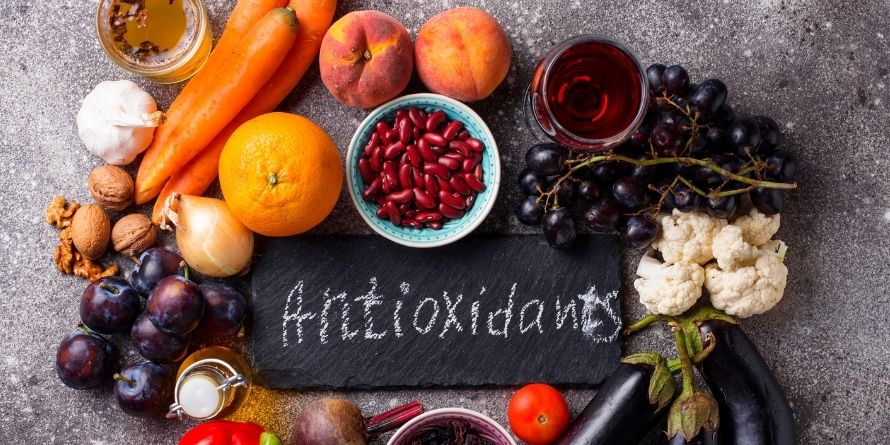
Antioxidants and Cancer Prevention

1. What are antioxidants?

Antioxidants are substances that may protect cells from the damage caused by unstable molecules known as free radicals. Free radical damage may lead to cancer. Antioxidants interact with and stabilize free radicals and may prevent some of the damage free radicals otherwise might cause. Examples of antioxidants include beta-carotene, lycopene, vitamins C, E, and A, and other substances.

2. Can antioxidants prevent cancer?

Considerable laboratory evidence from chemical, cell culture, and animal studies indicates that antioxidants may slow or possibly prevent the development of cancer. However, information from recent clinical trials is less clear. In recent years, large-scale, randomized clinical trials reached inconsistent conclusions.

3. What was shown in previously published large-scale clinical trials?

Five large-scale clinical trials published in the 1990s reached differing conclusions about the effect of antioxidants on cancer. The studies examined the effect of beta-carotene and other antioxidants on cancer in different patient groups. However, beta-carotene appeared to have different effects depending upon the patient population. The conclusions of each study are summarized below.

• The first large randomized trial on antioxidants and cancer risk was the Chinese Cancer Prevention Study, published in 1993. This trial investigated the effect of a combination of beta-carotene, vitamin E, and selenium on cancer in healthy Chinese men and women at high risk for gastric cancer. The study showed a combination of beta-carotene, vitamin E, and selenium significantly reduced incidence of both gastric cancer and cancer overall. (1)

• A 1994 cancer prevention study entitled the Alpha-Tocopherol (vitmain E)/Beta-Carotene Cancer Prevention Study (ATBC) demonstrated that lung cancer rates of Finnish male smokers increased significantly with beta-carotene and were not affected by vitamin E. (2)

• Another 1994 study, the Beta-Carotene and Retinol (vitamin A) Efficacy Trial (CARET), also demonstrated a possible increase in lung cancer associated with antioxidants. (3)

• The 1996 Physicians' Health Study I (PHS) found no change in cancer rates associated with beta-carotene and aspirin taken by U.S. male physicians. (4)

• The 1999 Women's Health Study (WHS) tested effects of vitamin E and beta-carotene in the prevention of cancer and cardiovascular disease among women age 45 years or older. Among apparently healthy women, there was no benefit or harm from beta-carotene supplementation. Investigation of the effect of vitamin E is ongoing. (5)

4. Are antioxidants under investigation in current large-scale clinical trials?

Three large-scale clinical trials continue to investigate the effect of antioxidants on cancer. The objective of each of these studies is described below. More information about clinical trails can be obtained using www.cancer.gov/clinicaltrials, www.clinicaltrials.gov, or the CRISP database at www.nih.gov.

• The Women's Health Study (WHS) is currently evaluating the effect of vitamin E in the primary prevention of cancer among U.S. female health professionals age 45 and older. The WHS is expected to conclude in August 2004.

• The Selenium and Vitamin E Cancer Prevention Trial (SELECT) is taking place in the United States, Puerto Rico, and Canada. SELECT is trying to find out if taking selenium and/or vitamin E supplements can prevent prostate cancer in men age 50 or older. The SELECT trial is expected to stop recruiting patients in May 2006.

• The Physicians' Health Study II (PHS II) is a follow up to the earlier clinical trial by the same name. The study is investigating the effects of vitamin E, C, and multivitamins on prostate cancer and total cancer incidence. The PHS II is expected to conclude in August 2007.

5. How might antioxidants prevent cancer?

Antioxidants neutralize free radicals as the natural by-product of normal cell processes. Free radicals are molecules with incomplete electron shells which make them more chemically reactive than those with complete electron shells. Exposure to various environmental factors, including tobacco smoke and radiation, can also lead to free radical formation. In humans, the most common form of free radicals is oxygen. When an oxygen molecule (O2) becomes electrically charged or "radicalized" it tries to steal electrons from other molecules, causing damage to the DNA and other molecules. Over time, such damage may become irreversible and lead to disease including cancer. Antioxidants are often described as "mopping up" free radicals, meaning they neutralize the electrical charge and prevent the free radical from taking electrons from other molecules.

6. Which foods are rich in antioxidants?

Antioxidants are abundant in fruits and vegetables, as well as in other foods including nuts, grains and some meats, poultry and fish. The list below describes food sources of common antioxidants.

• Beta-carotene is found in many foods that are orange in color, including sweet potatoes, carrots, cantaloupe, squash, apricots, pumpkin, and mangos. Some green leafy vegetables including collard greens, spinach, and kale are also rich in beta-carotene.

• Lutein, best known for its association with healthy eyes, is abundant in green, leafy vegetables such as collard greens, spinach, and kale.

• Lycopene is a potent antioxidant found in tomatoes, watermelon, guava, papaya, apricots, pink grapefruit, blood oranges, and other foods. Estimates suggest 85 percent of American dietary intake of lycopene comes from tomatoes and tomato products.

• Selenium is a mineral, not an antioxidant nutrient. However, it is a component of antioxidant enzymes. Plant foods like rice and wheat are the major dietary sources of selenium in most countries. The amount of selenium in soil, which varies by region, determines the amount of selenium in the foods grown in that soil. Animals that eat grains or plants grown in selenium-rich soil have higher levels of selenium in their muscle. In the United States, meats and bread are common sources of dietary selenium. Brazil nuts also contain large quantities of selenium.

• Vitamin A is found in three main forms: retinol (Vitamin A1), 3,4-didehydroretinol (Vitamin A2), and 3-hydroxy-retinol (Vitamin A3). Foods rich in vitamin A include liver, sweet potatoes, carrots, milk, egg yolks and mozzarella cheese.

• Vitamin C is also called ascorbic acid, and can be found in high abundance in many fruits and vegetables and is also found in cereals, beef, poultry and fish.

• Vitamin E, also known as alpha-tocopherol, is found in almonds, in many oils including wheat germ, safflower, corn and soybean oils, and also found in mangos, nuts, broccoli and other foods.

Freelance Jobs